Swim Guide
During warm weather months, you can count on Coosa Riverkeeper to help your family get the skinny before you dip on the Coosa by testing water quality at popular places on the river.
Results
FAQ
water quality ALERTS issued since 2015
water quality samples collected
Is It Safe To Swim?
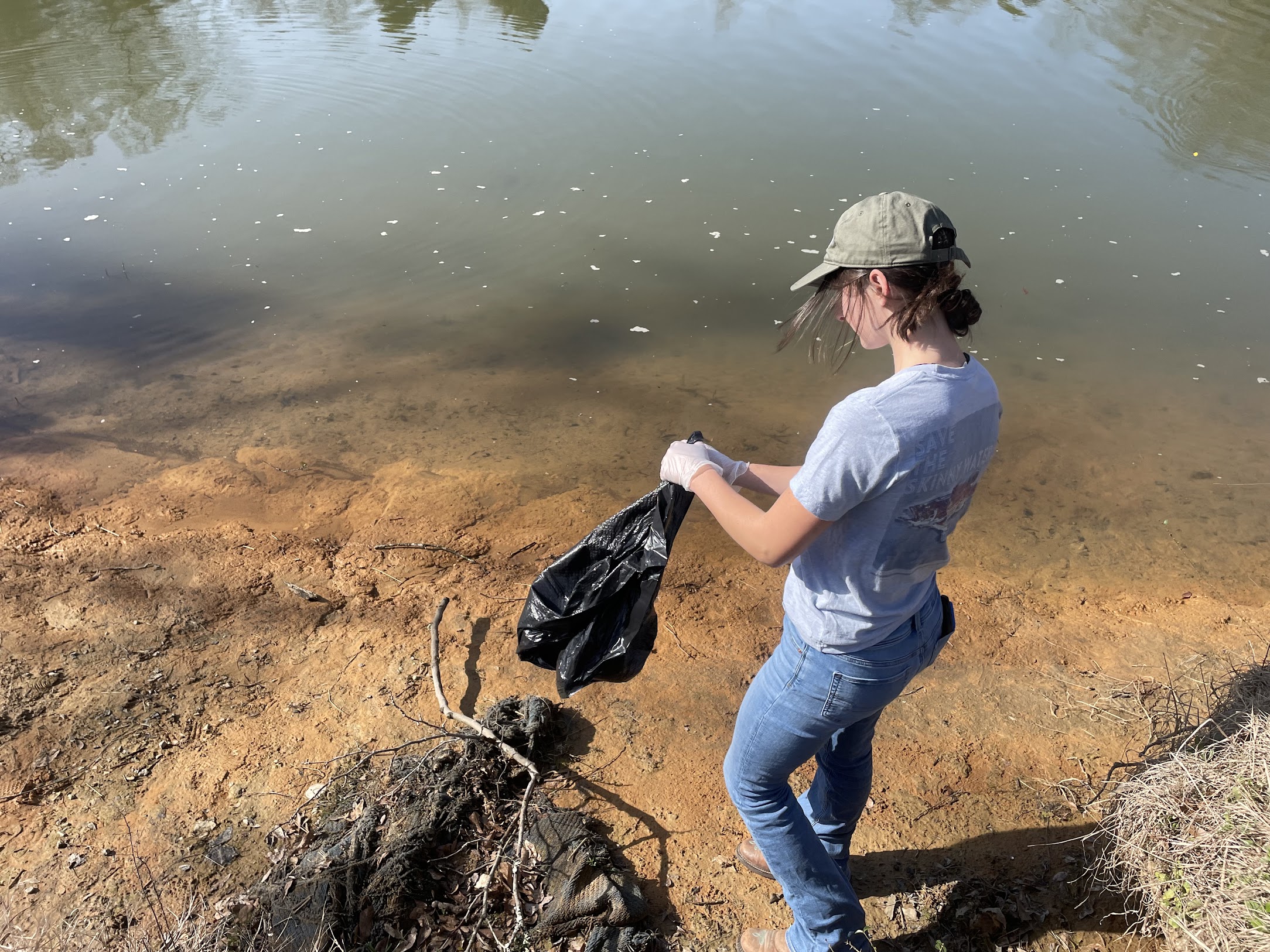
Jumping into your favorite swimming hole during the summer should be the easiest decision you make all year. That’s why we dedicate our Thursdays & Fridays during warm weather months to test the Coosa’s most popular places to dip. No one should have to gamble with their health when it comes to splashing in the river! Check out where we test in your neck of the woods and learn what our data means…
Check out the Swim Guide App for more info!
Just Like A Traffic Light.

Jump In!
If you see a green alert, it is all good! Water quality at the site has low levels of E.coli present during the time the sample was collected.

Hold Up!

Waiiiiit!
High concentration of E. coli detected and we recommend not swimming in that location at that time. The standard for E.coli is 235 cfu/100mL. EPA estimates at that rate 8 in 1,000 people will contract an illness.
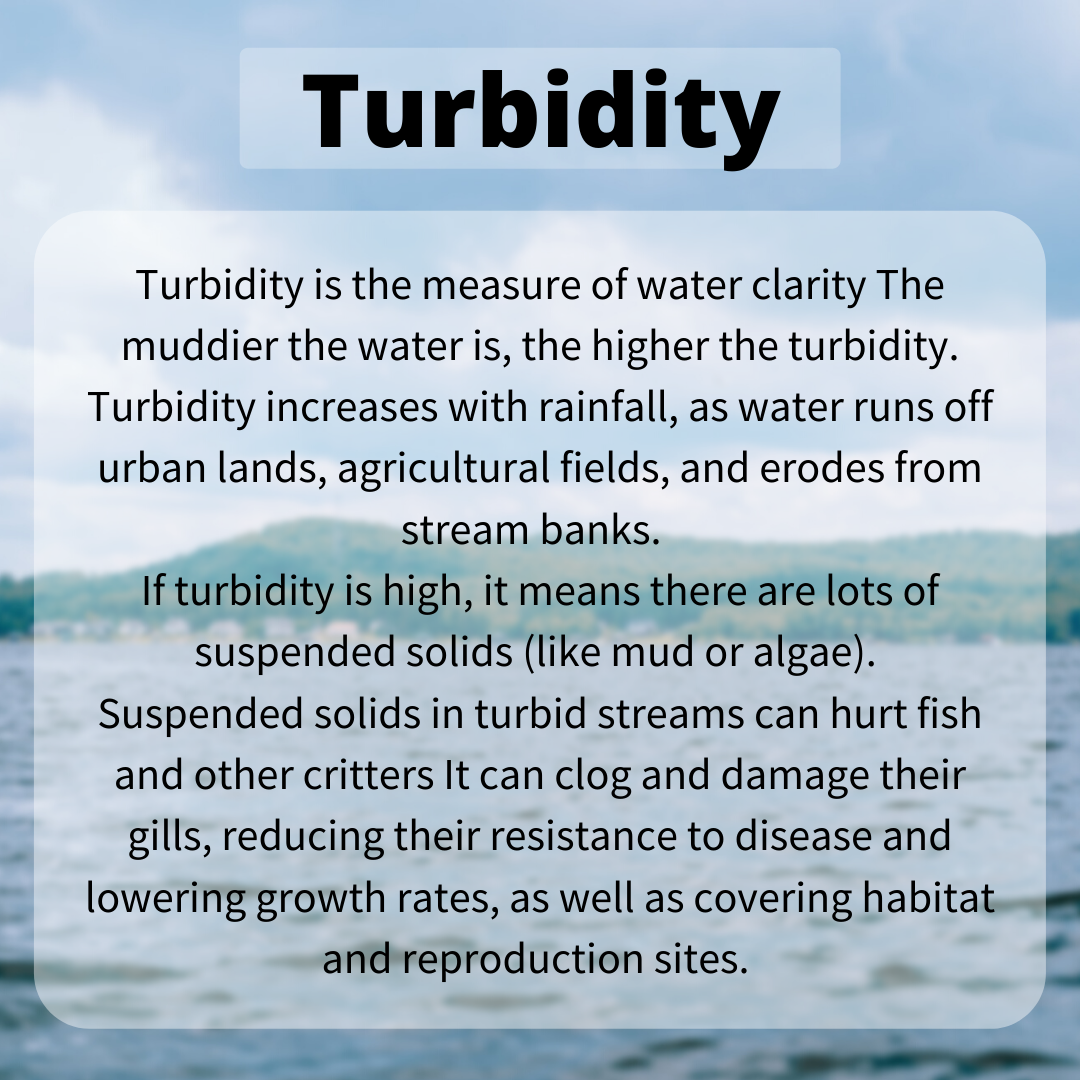
What We are Testing For
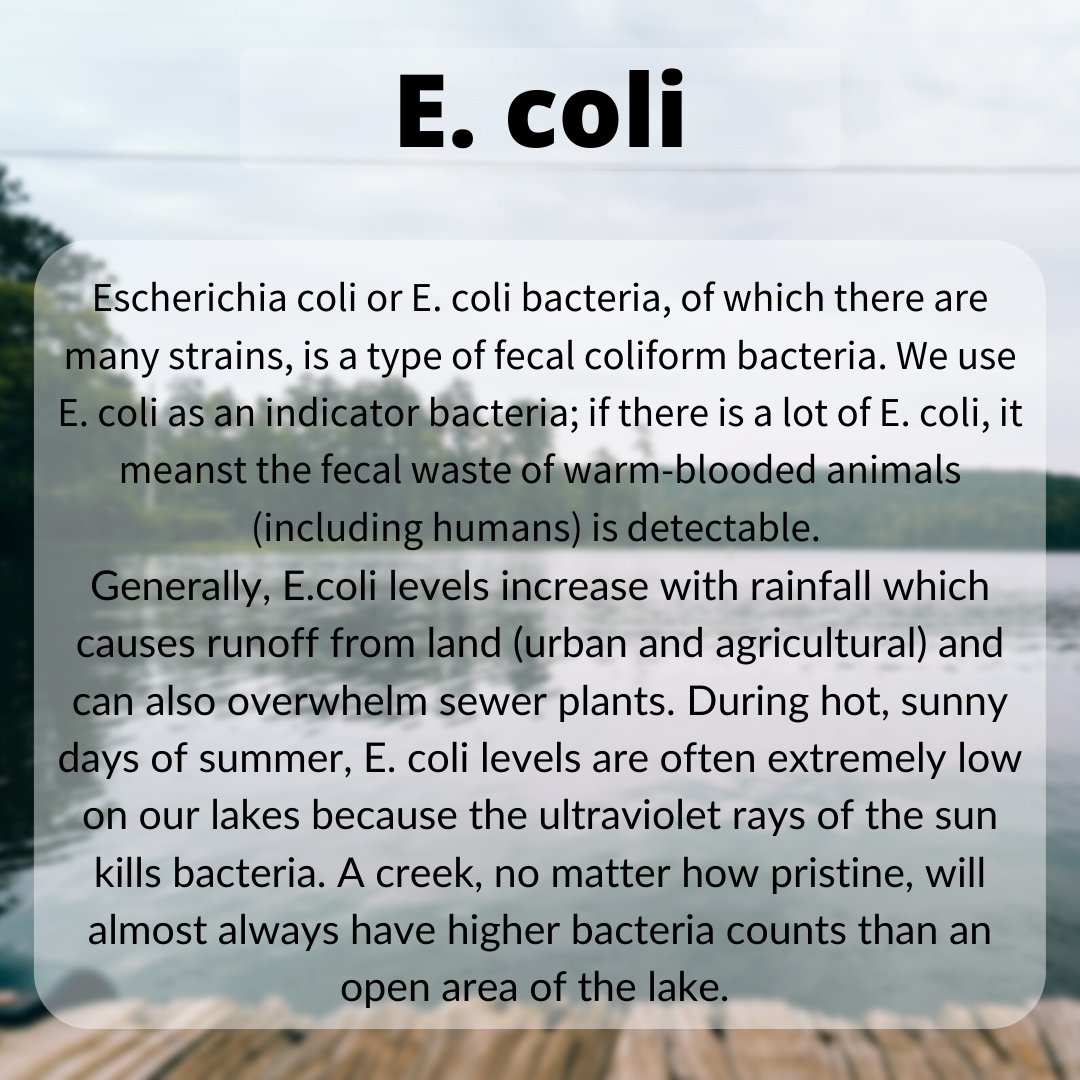
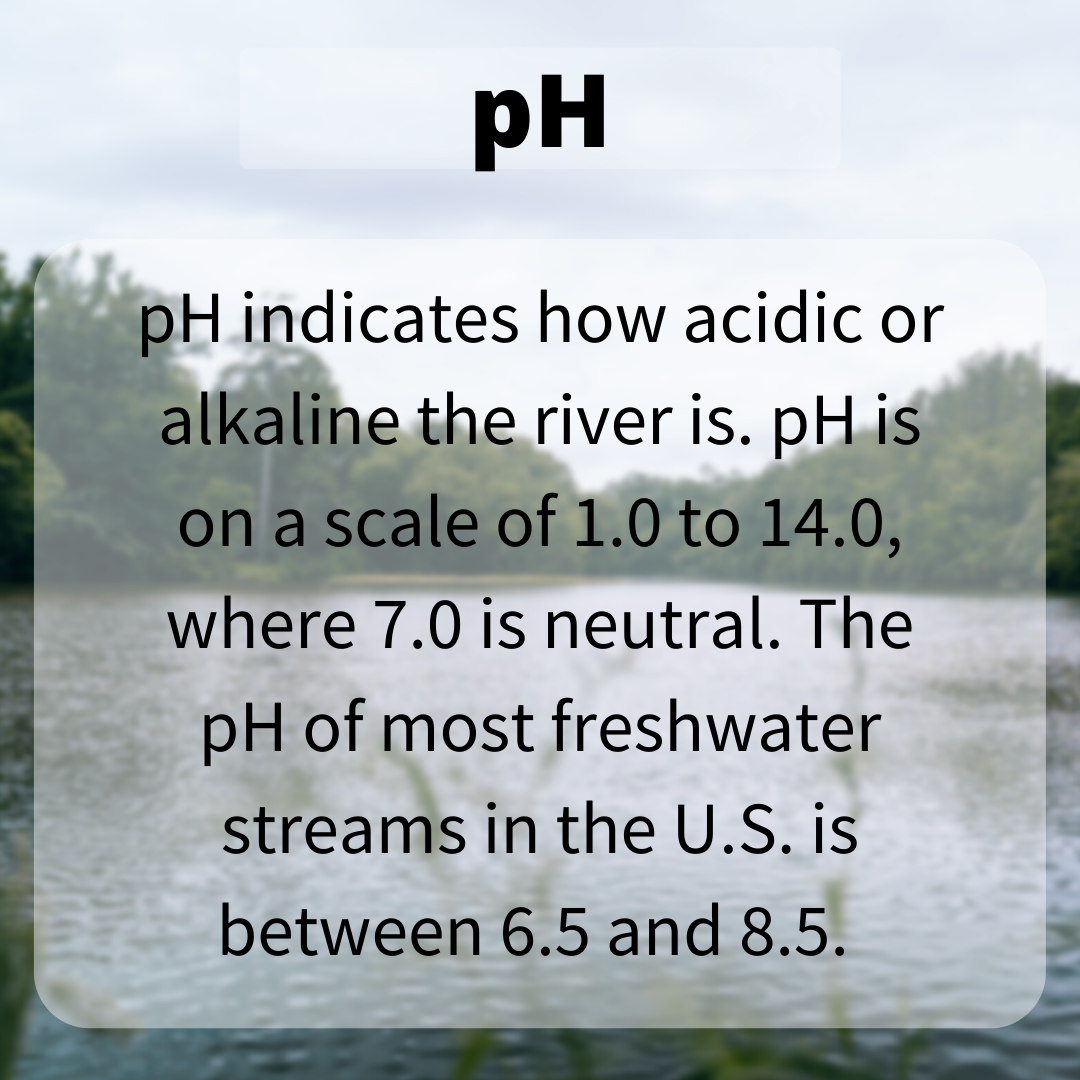
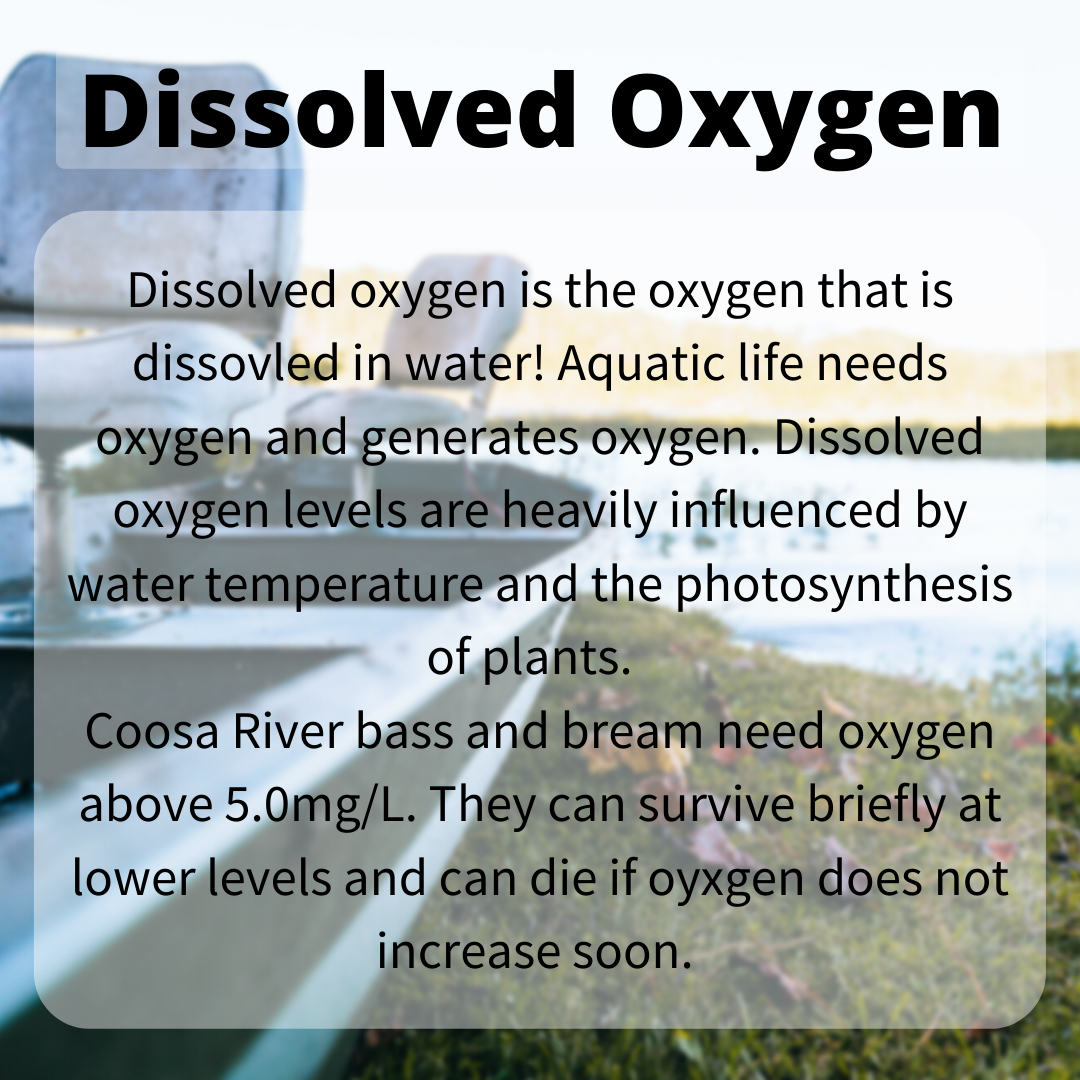

Check out 2024 results & data table
Learn about Harmful Algal Blooms in the Coosa
By The Numbers
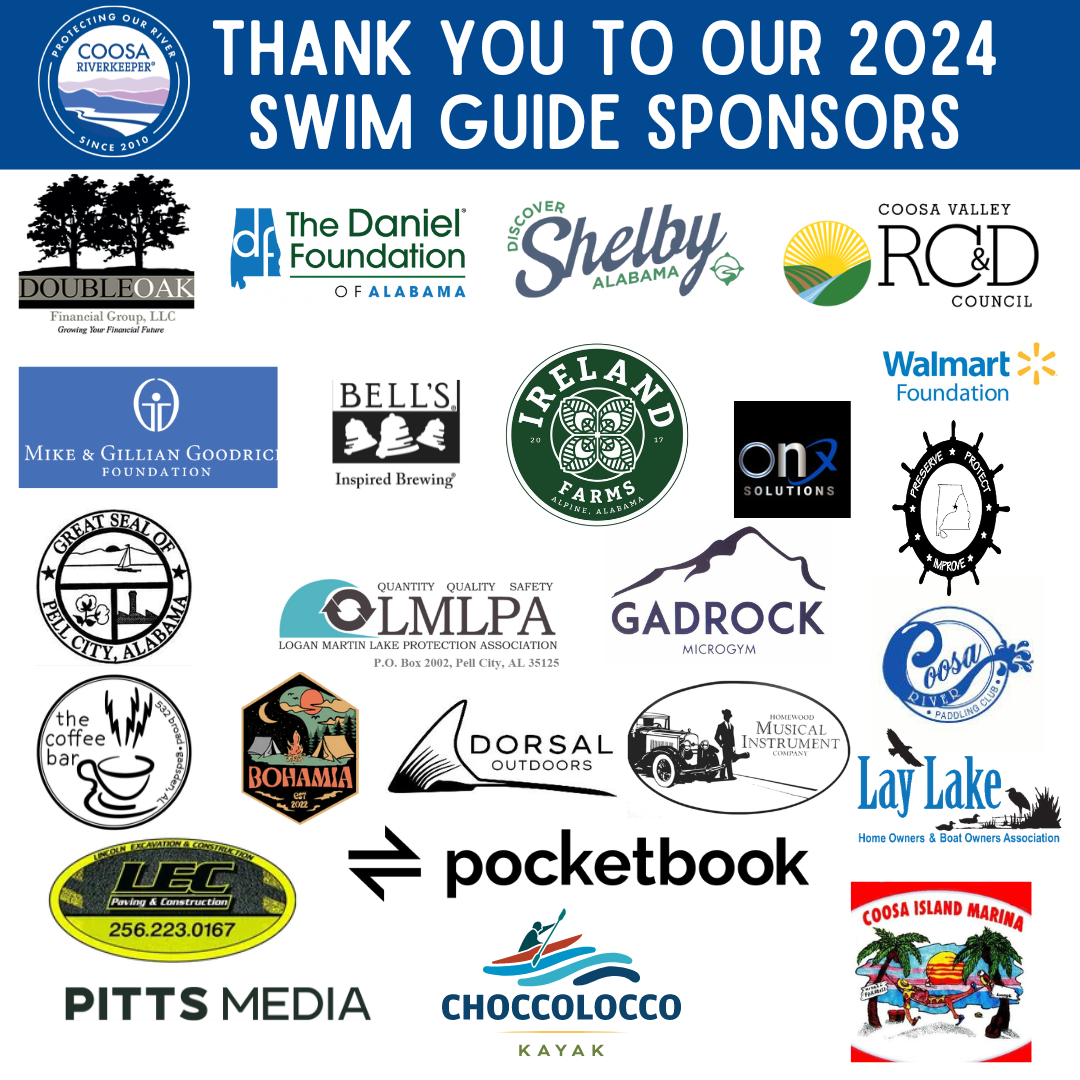
In 2023, we issued 138 water quality alerts.
Although this program is free to the public, it accounts for nearly 45% of our annual budget. Are you interested in stepping up to the dock to sponsor our work? Please email us at [email protected] to learn more.
DISCLAIMER
The information contained on this website is for informational purposes only. All sites monitored are natural waterbodies and contaminants are present from a wide variety of sources! Local conditions fluctuate, sometimes dramatically, and especially after rainfall events. The results displayed above are only representative of the exact time, date, and location at which the sample was taken and do not represent the water quality between sampling events or at other locations nearby on the river. Users of this data should not assume that a “low” E. coli level means that it is necessarily safe or risk-free to make contact with the water. E. coli is not the only contaminant of concern for recreational users, and is used merely as an indicator of potential fecal contamination. Coosa Riverkeeper, Inc., their employees, and agents can provide no guarantee of water safety and, as such, the user assumes all risks associated with the use of this data and swimming in the Coosa River Basin. SWIM AT YOUR OWN RISK!
FAQ
Get the skinny on our most frequent questions and answers.
What's The Goal?
The goal of this program is to provide YOU with information about water quality conditions at popular recreation sites on the river so you can make informed decisions for where you and your family enjoy the Coosa during the summer. The most common question we get from our members is “Is it safe to swim?” Before this prorgram, there was hardly any consistent water quality data at these swimmin’ holes on the Coosa. Now there is!
How Long Are The Results Good For?
Our results only represent a small bottle full of water just below the surface at one instant in time in a large river that is constantly changing. River conditions fluctuate on daily and seasonal cycles. They change dramatically during rain events or pollution events. Generally you will observe that through the hot, dry spells of summer, the results don’t really change a whole lot week to week. However, if it rains after we collect a sample, river conditions will certainly change. Typically they change for the worse, and the extent to which they worsen depends on a lot of factors particular to each site (some sites worsen dramatically, other sites only worsen a small amount). Unfortunately we only have the resources to monitor each of these sites one day a week. We cannot guarantee that water quality conditions are similar to our posted results beyond the date, time, and location at which our samples were collected. You can help us collect more samples by donating to Coosa Riverkeeper! This program is made available to the general public only because of our sponsors, foundations, and dues-paying members. Thank them by joining them!
How Can I Help?
You can help by supporting our work financially. You can also really help by spreading the word! Share this page on Facebook or other social media with your friends and fellow river rats.
How Do I Lower My Risk Of Contracting An Illness?
Most importantly, don’t swim in a stream contaminated with fecal matter. If you have open cuts or scrapes or nasty bug bites, you should be extra mindful of making contact with river water. Additionally, because bacteria levels are higher after a rain event, you should exercise more caution for several days after a big rain. Remember, if it has rained since we took our last sample, odds are bacteria levels are now higher than the posted results.
Doesn't The State Do This Type Of Testing?
No. Neither the Alabama Department of Environmental Management nor the Alabama Department of Public Health conduct this type of water quality monitoring program. While this type of testing is performed by the State on our coastal beaches in the Gulf, it is not performed on inland freshwater lakes and streams. We think that’s a shame, so we’re spending our Thursdays in the summer testing your favorite swimmin’ holes to let you know how they are!